


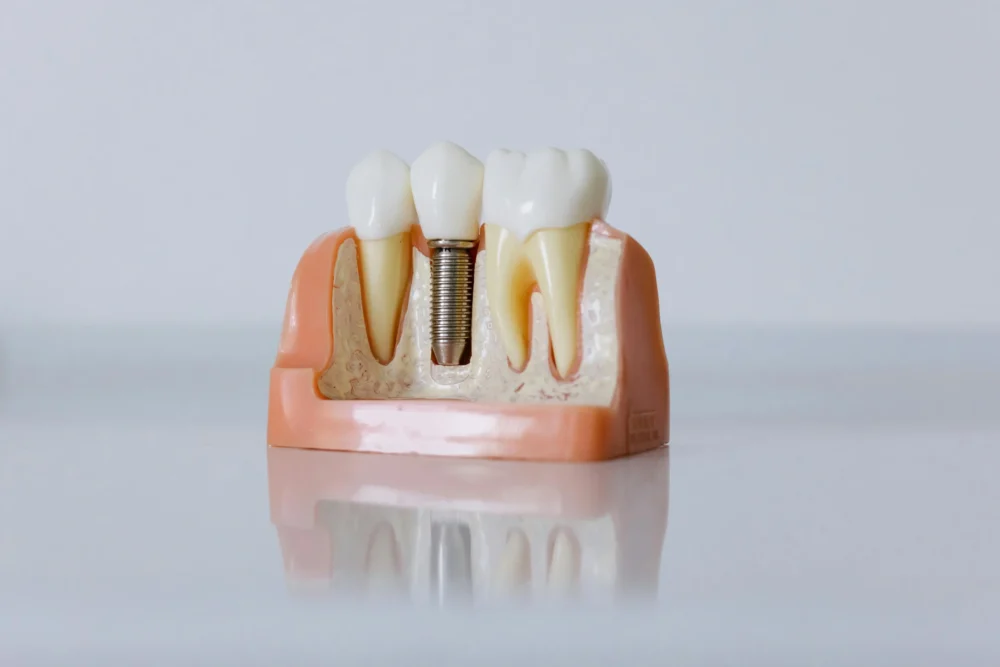
A single tooth implant is a staged treatment, not a one-day fix for most patients. The surgery itself may be brief, but the full process depends on diagnosis, bone health, healing, crown design and how the implant responds after placement. In many straightforward Sydney cases, treatment takes around three to six months. Grafting, infection, complex extraction or front-tooth aesthetics can add more time.
| Stage | Typical timing | What happens |
| Consultation and scans | Day 1 | Assessment, X-rays or 3D imaging, treatment plan |
| Extraction or preparation | Same day or separate visit | Tooth removal, cleaning, possible grafting |
| Implant placement | Week 1 onward | Titanium fixture placed into the jawbone |
| Healing | Around 3 months in many cases | Bone grows around the implant |
| Crown stage | Month 3–6 | Abutment and final crown fitted |
| Reviews | Ongoing | Bite, gum health and cleaning checked |
Stage 1: Consultation, scans and treatment planning
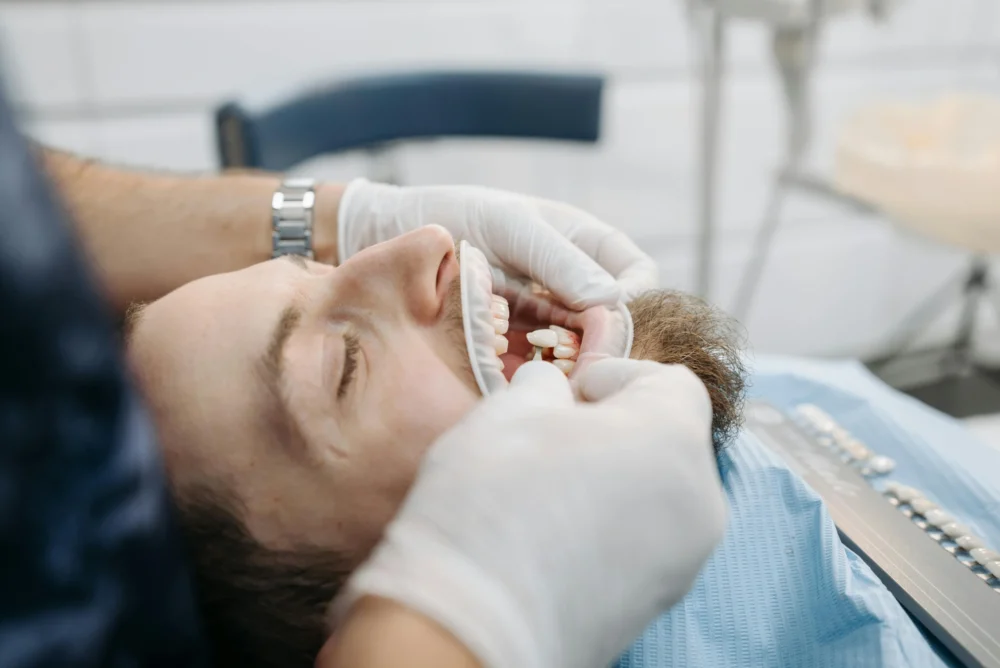
The first appointment is where the real planning happens. The dentist checks the missing tooth space, gum condition, bite, nearby teeth and jawbone. X-rays or 3D scans may be used to assess bone height, bone width and the location of nerves, sinuses or neighbouring roots.
Healthdirect explains that implant treatment is usually done in stages over a few months, and that X-rays help the dental professional see the jaw and plan where the implant should go.
This is also the time to ask practical questions. Is the crown included? Will a temporary tooth be provided? Could grafting be needed? Are reviews included after surgery?
Stage 2: Extraction or site preparation
If the tooth is already missing and the bone has healed well, the process may move directly toward implant placement. If the damaged tooth is still present, it may need to be removed first.
Sometimes the implant can be placed at the same appointment as the extraction. That is called immediate placement. It is not suitable for everyone. Active infection, weak bone, gum loss or poor initial stability may mean the area should heal first.
Bone grafting can also change the timeline. A graft may be recommended when the jawbone is not wide or tall enough to support an implant securely. Smaller grafts may be done during implant placement. Larger grafts may need several months of healing before the implant can be placed. The bone augmentation procedure guide explains common grafting methods and why bone volume matters.
Stage 3: Implant placement surgery
During implant surgery, the titanium fixture is placed into the jawbone. This fixture works like an artificial tooth root. The appointment is usually done under local anaesthetic, so the area is numb while the dentist works.
Some patients receive a healing cap. Others may receive a temporary tooth, depending on the tooth position, bite pressure and stability of the implant. The final crown is usually not fitted straight away because the implant needs time to bond with the bone.
The Australian Dental Association describes a dental implant as a metal screw placed into the jawbone, with the jawbone growing around the screw to hold it securely. That healing process takes about three months in many cases.
Patients wanting a simple explanation of the fixture, abutment and crown can start with single tooth implant.
Stage 4: The first week after surgery
The first week is about protecting the surgical site. Mild swelling, tenderness and bruising can occur. A soft-food diet is common for a short period, especially if the implant sits in a chewing zone.
Cleaning matters, but it needs to be done carefully. The dentist may recommend gentle rinsing, avoiding direct brushing over the fresh site for a short time, and keeping food away from the wound where possible. Smoking, heavy chewing and poor oral hygiene can slow healing.
Strong pain, spreading swelling, pus, fever or bleeding that does not settle should be checked promptly. A little soreness is expected. Escalating symptoms are different.
Stage 5: Healing and osseointegration
Osseointegration is the quiet part of the process. The implant may not look very different from the outside, but the bone is forming around the fixture underneath the gum.
This stage often takes around three months, although the timing can vary. Upper jaw implants, grafted sites, smokers and patients with certain medical factors may need a longer healing window. Rushing this stage can place too much pressure on the implant before it is ready.
A missing front tooth can feel more urgent because of appearance. Even then, the biological timeline still matters. A temporary tooth may help with appearance while the implant heals, but the final crown should be timed around stability.
Stage 6: Abutment, scan and final crown
Once the implant is stable, the abutment is attached. The abutment is the small connector between the implant fixture and the crown. A digital scan or impression is then taken so the crown can be made to suit the bite, tooth colour and gum shape.
Back teeth need strength and correct bite contact. Front teeth need extra care with shade, symmetry and gum line. A crown that looks good but hits too heavily when chewing can create problems, so bite adjustment is part of the fitting appointment.
Patients weighing up whether a single implant suits their missing tooth can refer to the single tooth implant guide for a broader comparison with bridges and dentures.

Stage 7: Reviews and long-term maintenance
The timeline does not end when the crown is fitted. Follow-up visits allow the dentist to check the bite, gum response and cleaning access.
Dental implants cannot get tooth decay, but the surrounding gum and bone still need care. Plaque around an implant can lead to inflammation and bone loss, so brushing, interdental cleaning and regular professional reviews remain part of treatment.
For patients comparing broader fees, inclusions and case types, dental implant cost Sydney gives a useful cost overview.
A single tooth implant works best when each stage is given enough time. Planning sets the direction, surgery places the foundation, healing creates stability, and the crown completes the replacement. At Tooth Implant Sydney, we assess each case carefully so the timeline matches the patient’s bone, bite and long-term dental health.