


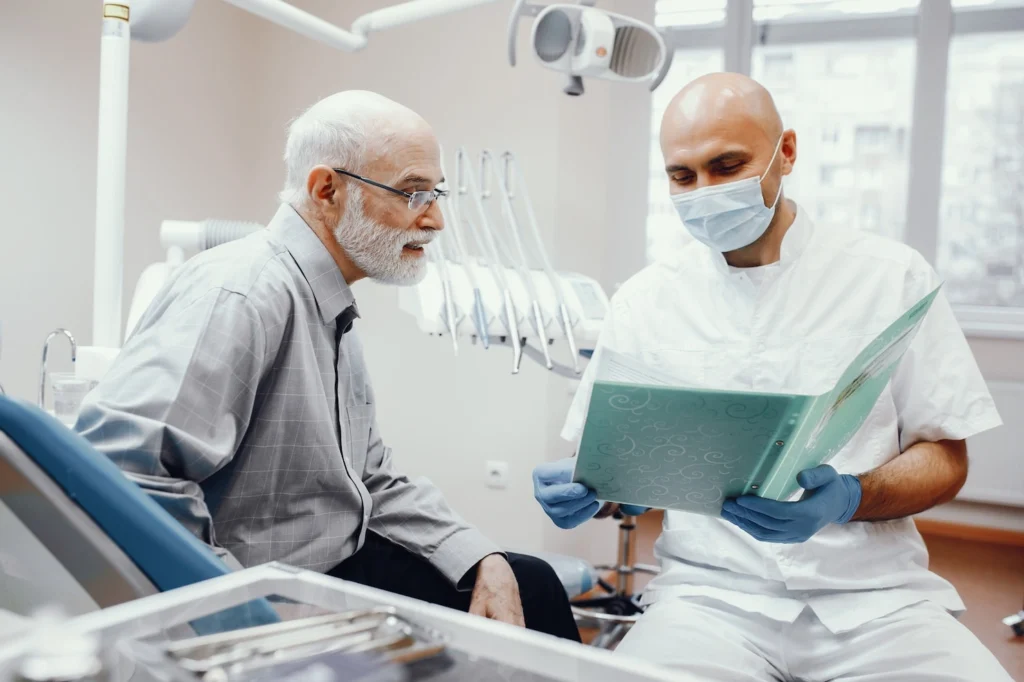
Most people don’t lose their chance at a dental implant because they’re “too old”. They lose time. A missing tooth changes the bone, bite and gum around it, so waiting can turn a simple plan into a staged one.
A good candidate isn’t a perfect patient. It’s someone whose mouth, medical history and expectations can support a surgical fixture and a crown.
Your bone matters, but low bone doesn’t always rule you out
An implant needs enough jawbone to hold the titanium fixture. Bone can shrink after tooth loss because the area no longer gets normal chewing pressure. Gum infection, denture wear and past extractions can also leave the ridge thinner.
Being told you may need bone grafting for dental implants doesn’t mean you’re a bad candidate. It may mean the site needs rebuilding first, or that the implant has to be angled or staged. Counterintuitive point: a painless gap can be harder than a freshly removed broken tooth, because bone may have flattened.

Healthy gums are as important as the implant itself
Implants don’t get decay, but the gum and bone around them can still get inflamed. If you have bleeding gums, loose teeth, bad breath or untreated periodontal disease, the dentist will usually want that controlled before implant placement.
That can feel like a delay. It’s usually the smart move. An implant placed into an unstable mouth is being asked to survive in the same conditions that helped damage the natural tooth. Cleaning, gum treatment and better home care may sound basic, but they can decide whether treatment is sensible.
Some health conditions need planning, not automatic rejection
Medical history changes implant planning. Diabetes, smoking, immune problems, past radiotherapy to the jaw, heavy grinding, osteoporosis medicines, blood thinners and some heart conditions all need a proper discussion before procedure.
The main question is not, “Do you have a condition?” It’s, “Is it controlled, disclosed and planned for?” A patient with well-managed diabetes may be a better candidate than a healthy smoker who won’t cut down. Blood thinners may still be manageable, but the dentist may need input from your doctor.
Don’t edit your medical history to sound easier. Tell the dentist about medications, supplements, allergies, sleep apnoea, reflux, grinding, past implant failure and any healing problems after earlier dental work.
A quick way to read your own risk level
| Factor | Usually favourable | May need extra planning |
| Bone volume | Tooth lost recently, ridge still firm | Long-term gap, visible gum shrinkage |
| Gum health | No bleeding, stable cleaning habits | Gum disease, loose teeth, deep pockets |
| General health | Conditions controlled and disclosed | Poorly controlled diabetes, complex medicines |
| Habits | Non-smoker, light grinding | Smoking, clenching, poor nightly protection |
| Expectations | Wants a fixed tooth and accepts maintenance | Expects instant, maintenance-free results |
This quick scan can help you ask sharper questions.
The best candidates understand maintenance before treatment starts
A dental implant is not a “set and forget” replacement. It needs brushing, interdental cleaning, check-ups and bite review. If you grind, you may need a nightguard. If you smoke, your risk discussion changes. If you skip cleans for years, the implant won’t magically avoid the biology of your mouth.
This is also why cost should never be judged by the implant fixture alone. A proper plan for dental implants in Sydney should include assessment, imaging, the crown, likely grafting needs, healing time, follow-up and what happens if the bite needs adjustment.
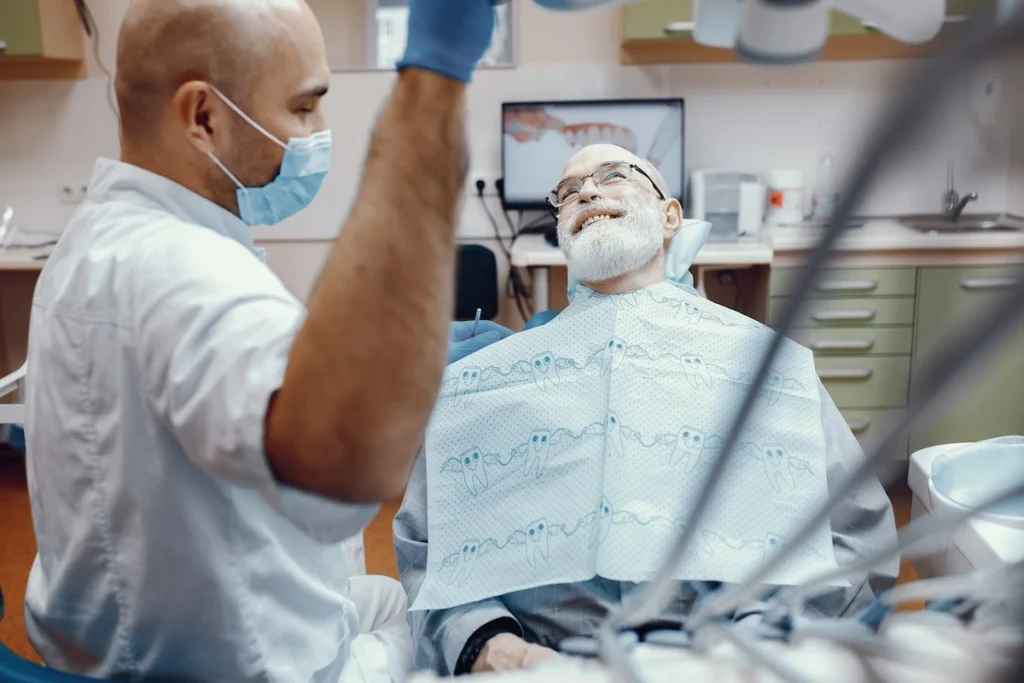
So, who is usually a good candidate?
You’re more likely to be suitable if you have one or more missing teeth, enough bone or a grafting option, controlled gum health, realistic expectations and the ability to keep the area clean. You may still be suitable if your case is complex. It just means the plan should be honest.
For one missing tooth, a single tooth implant may be worth discussing early, especially before neighbouring teeth drift into the gap or the bite starts changing.
FAQ
Can I get an implant if I’ve had bone loss?
Often, yes. The dentist needs to see how much bone remains and whether grafting, staging or another implant option makes sense.
Am I too old for a dental implant?
Age alone is rarely the deciding factor. Healing ability, medical control, bone, gum health and daily cleaning habits matter more.
Can smokers get dental implants?
Some smokers can, but smoking can affect healing and long-term gum stability. Be honest about how much you smoke so the risk can be planned properly.
Ready to check your own situation? Read Tooth Implant Sydney’s no-nonsense guide to single tooth implants or book a free consultation to have your bone, gum health and replacement options assessed before the gap becomes harder to treat.