


Tooth loss can quietly shrink day-to-day enjoyment. Meals become a chore, speech feels less clear, and people often avoid photos or outings. For many older individuals in Sydney weighing up long-term options, All-on-4 dental implants stands out because it offers a fixed full-arch replacement that aims to feel steady and dependable in everyday life. Evidence on the All-on-4 concept also shows strong implant and prosthesis survival over years of follow-up, which helps explain its popularity.
What All-on-4 actually is
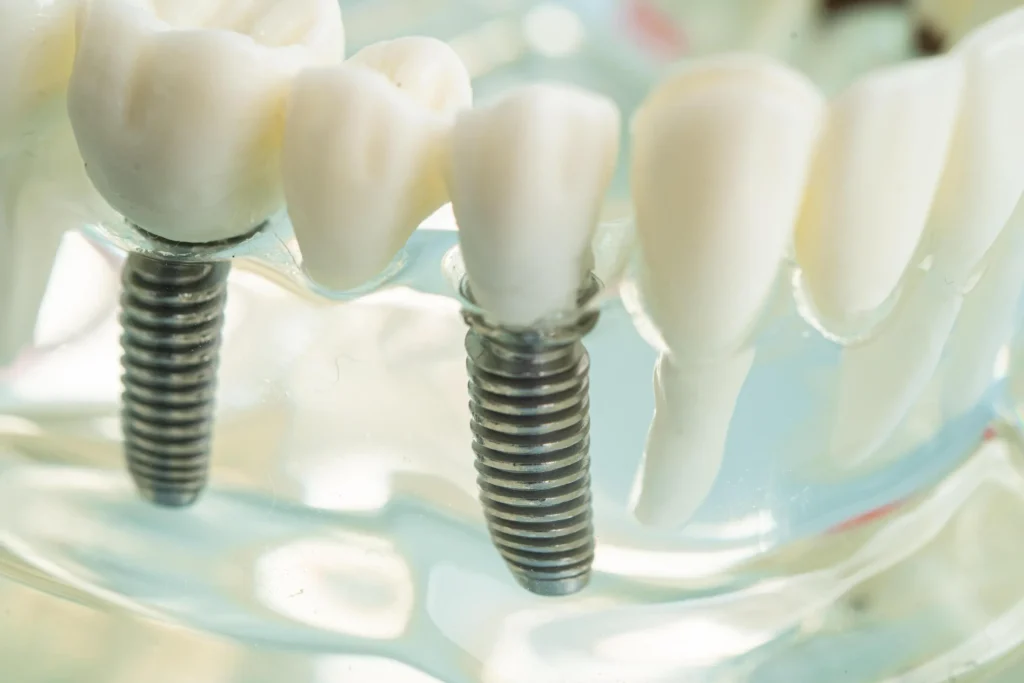
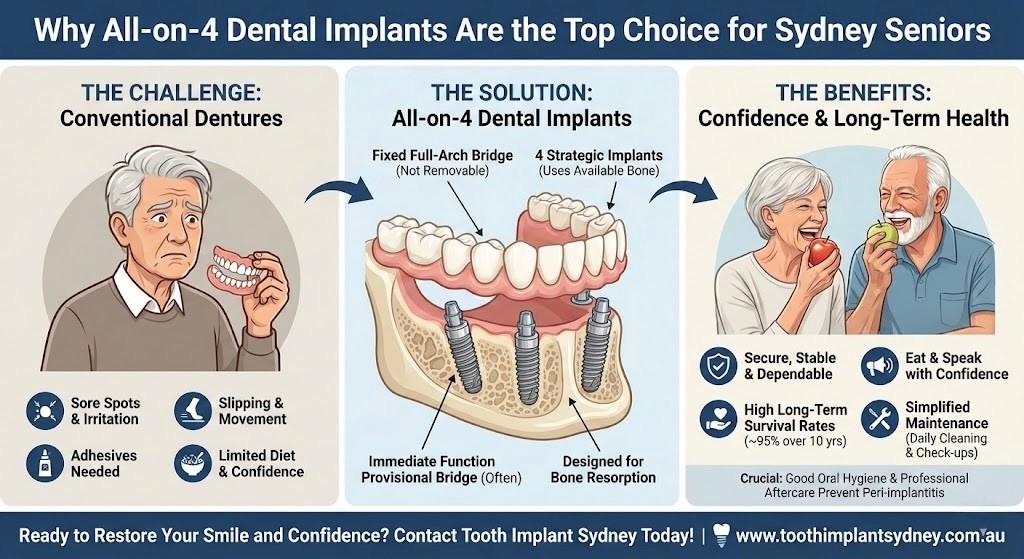
All-on-4 is a treatment approach where a full set of upper or lower teeth is supported by four implants. The back implants are often placed at an angle so the clinician can use available bone and avoid sensitive anatomy in the posterior jaw.
In suitable cases, a fixed provisional bridge may be fitted soon after surgery, then replaced later with a final bridge once healing and integration have progressed.
A helpful way to think about it: it is not “four teeth”. It is a full arch supported by four implants, with the teeth joined together as one bridge.
All-on-4 vs dentures in Sydney: why many seniors change course
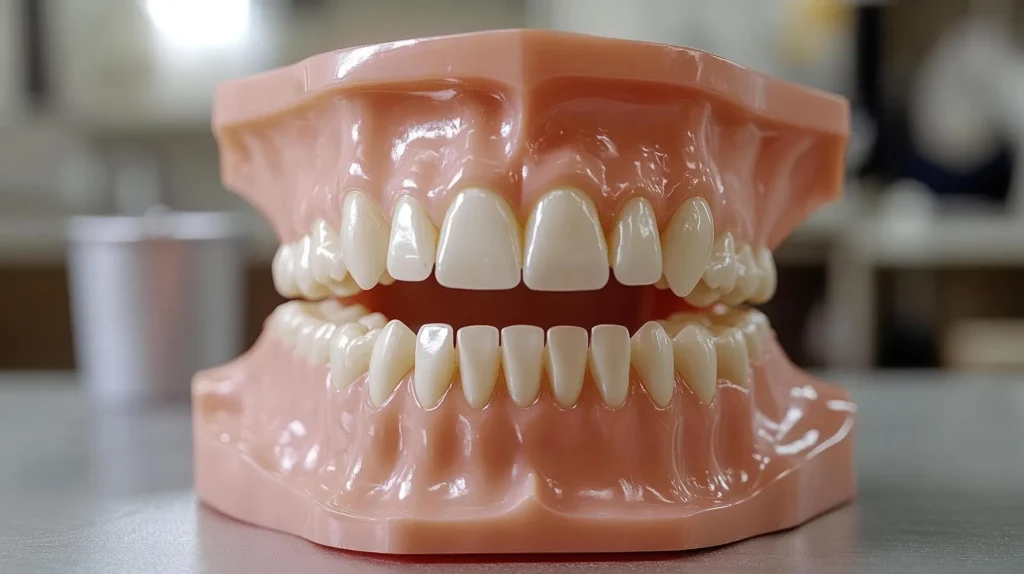
Conventional dentures still work well for some people, particularly when gums and ridges are fairly stable. Yet many seniors know the common downsides: sore spots, movement during meals, and the need for adhesives or frequent adjustments as the jaw changes over time.
Research comparing implant-supported solutions with conventional complete dentures repeatedly shows higher patient satisfaction for comfort, stability, and chewing ability when implants are involved. When teeth feel secure, people tend to eat a wider range of foods and speak more confidently, which can make social life easier.
It is also worth being blunt about the emotional load. Worrying about a denture slipping can sit in the back of your mind all day. A fixed bridge removes that particular stress for many wearers.
Why the “four-implant” approach often suits older adults
Older adults commonly have some degree of bone resorption, especially after years without natural teeth.
All-on-4 was designed to manage full-arch cases in a way that can reduce the need for extensive grafting in selected patients, although it does not eliminate grafting for everyone.
There is also solid long-term data behind the concept. A systematic review reported the lowest success rate among included studies as 94.8% at 10 years, with implant loss and peri-implantitis among the more frequent longer-term complications noted.
All-on-4 has also shown high prosthesis survival over up to 10 years of follow-up.
That said, numbers never replace clinical judgement. Outcomes depend on factors such as smoking, diabetes control, gum history, bite forces, and the quality of maintenance over time.
What seniors should ask at a consultation in Sydney
Marketing around implants can be glossy, so it helps to focus on plain questions:
- What makes me a suitable candidate, and what could rule me out?
- What are the realistic risks in my case (implant loss, infection, bridge repair)?
- What is included in the fee, and what could add to it?
- Who provides aftercare, and what does the maintenance schedule look like?
If you are comparing options across practices, ask whether the plan is for a fixed bridge or a removable overdenture. Both can be good; they suit different priorities.
Maintenance is the quiet part that protects the result
Implants do not decay like natural teeth, but the surrounding tissues can still become inflamed. Peri-implant mucositis and peri-implantitis are plaque-associated diseases, and peri-implantitis involves progressive bone loss.
This is why good home cleaning, regular professional reviews, and early management of inflammation matter. It is also why a reputable clinic like Tooth Implant Sydney talks about long-term care from the first appointment, not as an afterthought. If you have any questions on All on 4 Implants or full arch dental implants, contact our professionals today.
Also Read: Keep Your Implant for Life: Seven Evidence-Based Habits
Frequently Asked Questions
1) How much do All-on-4 dental implants cost in Sydney?
Fees vary because plans differ. Costs can include extractions, imaging, surgical guides, sedation, the provisional bridge, the final bridge materials, and follow-up care. A useful quote lists what is included, what might change the fee, and what happens if the temporary bridge needs repair during healing. Ask for a written plan you can compare properly.
2) Are All-on-4 dental implants worth it for seniors?
They can be worth it when the goal is fixed teeth and you have struggled with loose dentures. Evidence on implant-supported options often shows better comfort, stability, and chewing outcomes than conventional dentures. Value still depends on suitability, health factors, and whether you can commit to ongoing cleaning and maintenance visits.
3) What’s the difference between All-on-4 and implant-supported dentures?
All-on-4 typically supports a fixed bridge that only the clinician removes. Implant-supported dentures (overdentures) clip onto implants and are removable by the patient. Research commonly reports higher satisfaction for implant-supported designs than for conventional dentures, particularly for stability and chewing. The choice often comes down to preference and hygiene needs.
4) Is All-on-4 suitable if I have bone loss?
Often, yes, but it depends on where the bone remains and your health profile. Studies of the All-on-4 concept describe using angled posterior implants to make use of available bone and support full-arch bridges in atrophic jaws. A 3D scan and clinical exam are usually needed before anyone can answer this confidently.
5) How long is recovery after All-on-4 for older adults?
Most people have swelling and tenderness for several days, then improve steadily. Many follow a softer diet early on, with the final bridge fitted after a healing period that your clinician will tailor to your case. Long-term success also relies on maintenance, because peri-implant disease is linked to plaque build-up and needs early attention.